June 29, 2026
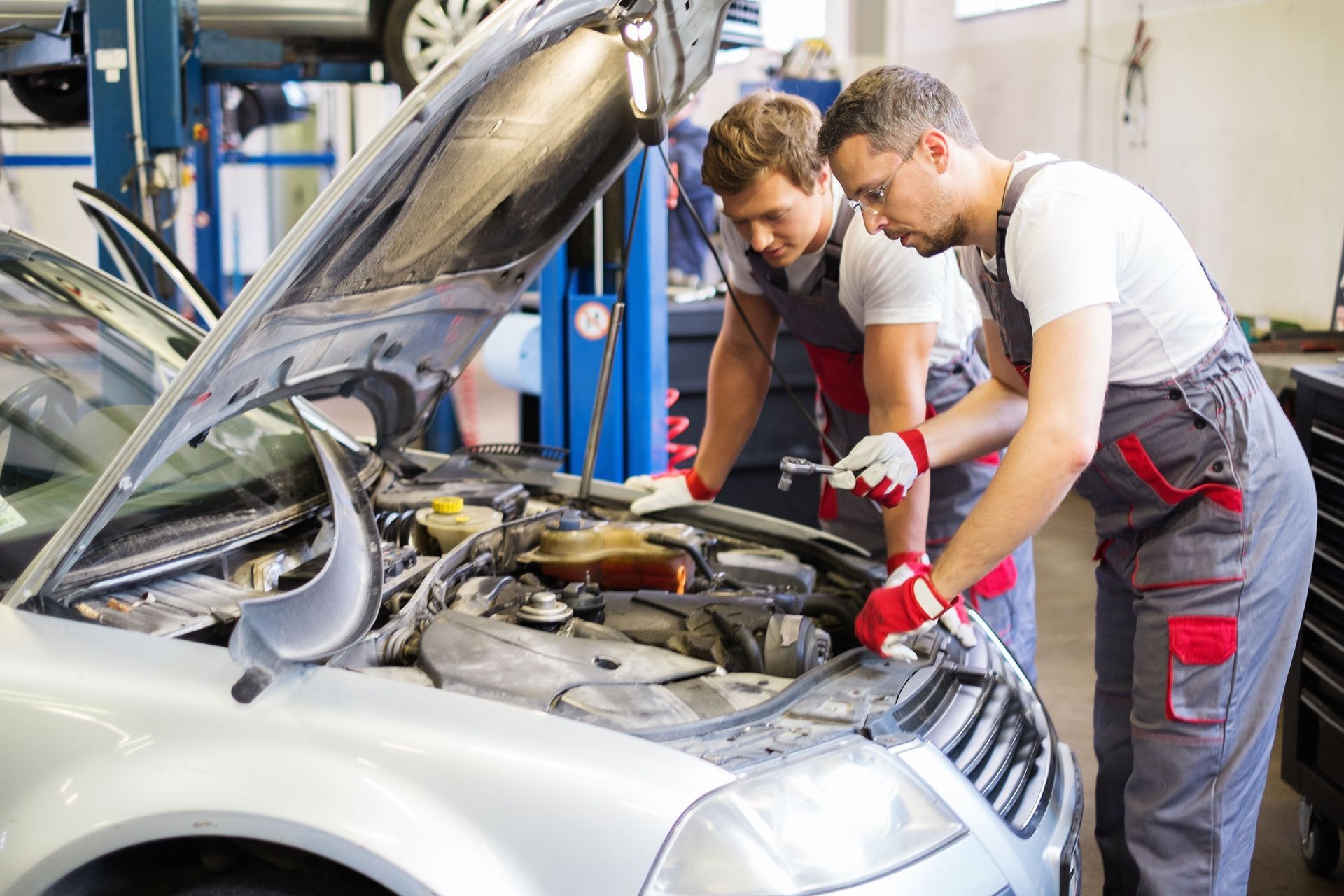
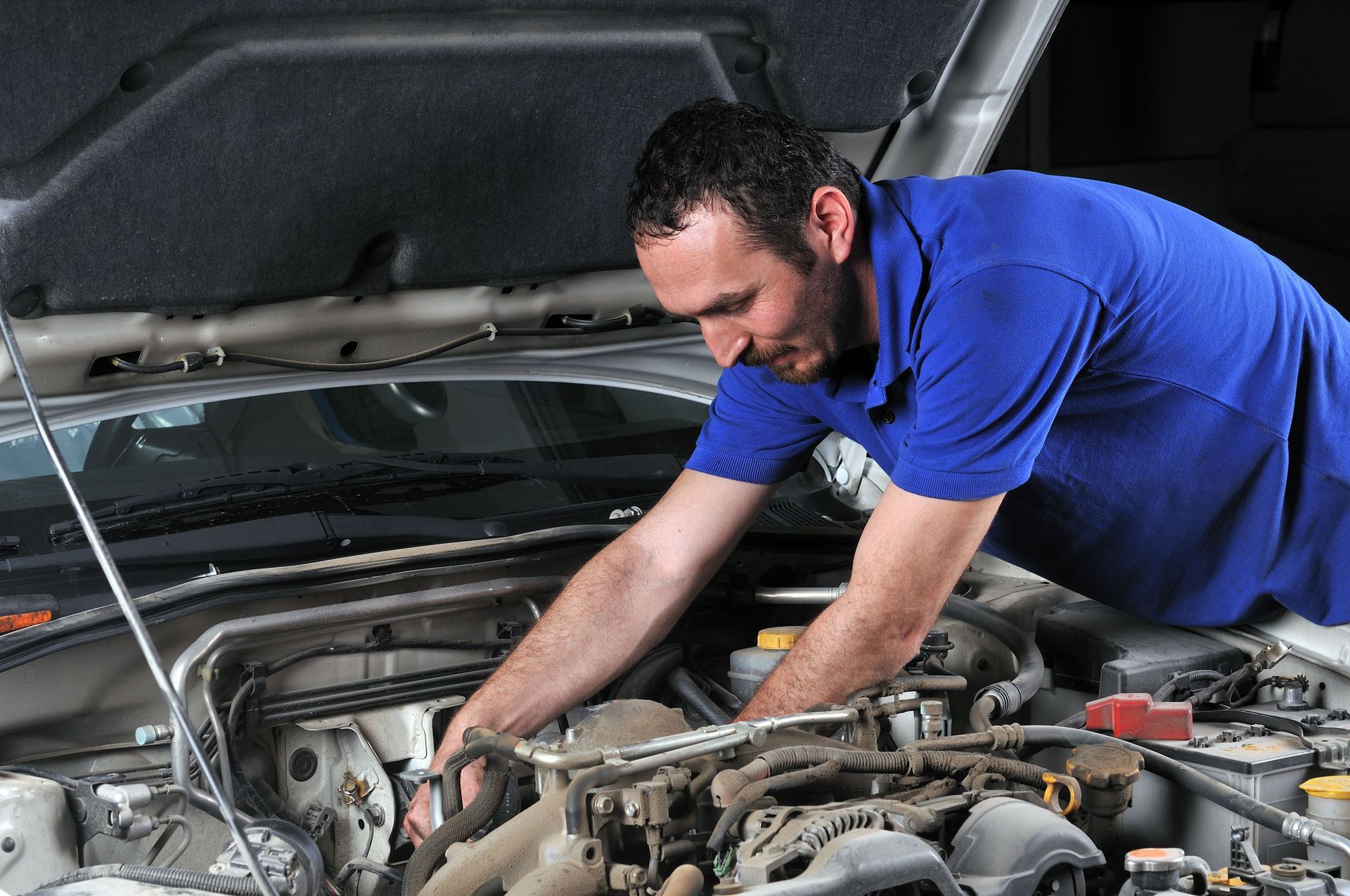
Maintaining a vehicle involves more than just keeping it clean and fueling it up. Routine upkeep is the key to ensuring that your car remains reliable, safe, and efficient throughout its lifespan. By staying ahead of necessary services, you can prevent minor issues from escalating into major, expensive repairs that could leave you stranded.
Every vehicle owner should establish a consistent schedule for inspections and part replacements. Proactive maintenance not only preserves the mechanical integrity of the engine but also maintains the vehicle's resale value over time. Whether you drive a brand-new car or an older model, understanding the fundamentals of automotive health is essential. This article will delve into engine lubrication, tire care, and braking systems to help you stay informed and prepared.
The Vital Role of the Oil Change
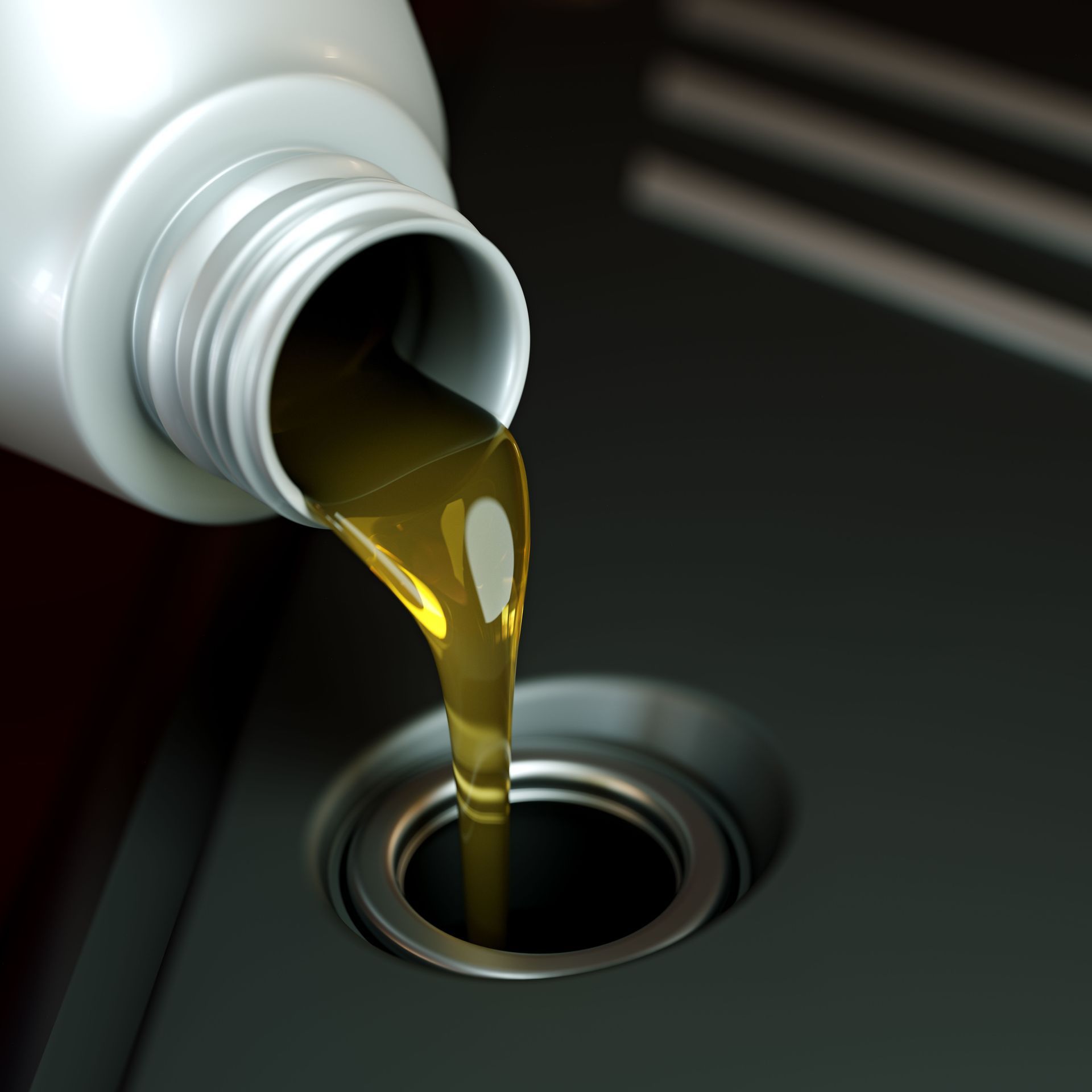
One of the most essential tasks for any driver is scheduling a regular oil change. Engine oil acts as the lifeblood of your vehicle, providing the necessary lubrication to keep internal metal components from grinding against each other. Over time, heat and friction cause the oil to break down, losing its ability to protect the engine effectively. Without fresh oil, the buildup of heat can lead to catastrophic engine failure and costly internal damage.
Why Engine Lubrication Matters
In addition to lubrication, modern motor oil contains detergents that help keep the engine clean by capturing debris and preventing sludge buildup. When you perform an oil change, you are removing these contaminants and replacing them with fresh fluid that can better manage extreme temperatures. Clean oil also reduces the amount of work the engine has to do, which can lead to better fuel economy and smoother acceleration. Neglecting this simple service can result in sluggish performance and increased emissions, negatively impacting the environment and your wallet.
Choosing the right type of oil is also a critical factor in maintaining engine health. Drivers must choose between conventional, synthetic, and high-mileage blends based on their vehicle's age and manufacturer recommendations. Synthetic oils typically offer better protection in extreme cold or heat, while high-mileage oils contain additives designed to condition older seals and prevent leaks. Regardless of the type used, the primary goal remains the same: ensuring that the engine remains properly lubricated at all times.
Consequences of Maintenance Neglect
Failing to adhere to a proper maintenance schedule can have long-lasting negative effects on your vehicle's performance. According to Gitnux, 25% of all vehicles on the road have a neglected maintenance issue, which often leads to decreased safety and reliability. When a routine oil change is skipped, the old oil begins to turn into a thick sludge that clogs vital passages and prevents cooling. This lack of circulation causes the engine to run much hotter than intended, potentially warping heads or damaging pistons beyond repair.
Another common consequence of neglect is the gradual loss of fuel efficiency as the engine struggles to overcome internal friction. As parts wear down prematurely, the vehicle may start to produce unusual noises such as knocking or metallic tapping sounds. These sounds are often an indication that the protective barrier of oil has failed, allowing metal-on-metal contact. Addressing these symptoms immediately is the only way to prevent a total engine seizure, which usually requires a full replacement of the power plant.
Determining Service Intervals
Knowing when to schedule an oil change depends on several factors, including your driving habits and the specific climate of your region. While many older vehicles required service every 3,000 miles, modern technology and synthetic fluids have extended this interval significantly for newer cars. Many manufacturers now recommend intervals of 5,000 to 10,000 miles, but it is always best to consult your owner's manual for specific guidance. If you frequently drive in stop-and-go traffic or tow heavy loads, you may need to service the vehicle more often.
Visual inspections are also a helpful way to monitor the condition of your engine's fluids between professional services. You should check your dipstick regularly to ensure the fluid is at the correct level and look for signs of significant darkening or a burnt smell. If the oil appears gritty or exceptionally thick, it is a clear sign that you should seek a professional oil change as soon as possible. Modern vehicles also feature dashboard monitors that track oil life based on engine revolutions and temperature, providing a convenient reminder for busy drivers.
Essential Tire Care and Safety
Your tires are the only point of contact between your vehicle and the road, making their maintenance a high priority for safety. Properly maintained tires ensure that you have adequate traction for braking, turning, and accelerating in various weather conditions. Neglecting tire health can lead to poor handling, increased stopping distances, and the risk of a dangerous high-speed blowout. By performing simple checks every month, you can extend the life of your tires and keep your passengers safe.
Maintaining Proper Inflation
Checking your tire pressure is one of the easiest and most effective ways to improve vehicle performance. Tires naturally lose air over time due to temperature changes and permeation through the rubber, so regular adjustments are necessary. Under-inflated tires create more rolling resistance, which forces the engine to work harder and consumes more fuel. Furthermore, low pressure causes the sidewalls to flex excessively, generating heat that can lead to structural failure of the tire casing.
Over-inflation is equally problematic as it reduces the contact patch between the rubber and the road. This leads to a harsh ride and makes the tire more susceptible to damage from potholes or road debris. To find the correct pressure for your specific vehicle, look at the sticker inside the driver’s side door jamb rather than the "max pressure" listed on the tire itself. Consistently maintaining the recommended PSI will result in even tread wear and a much more comfortable driving experience for everyone in the car.
Rotation and Alignment Strategies
Tire rotation involves moving tires from one position on the vehicle to another to ensure they wear down at a similar rate. Because the front tires often handle the majority of steering and braking forces, they tend to wear out faster than the rear tires. By rotating them every 6,000 to 8,000 miles, you can maximize the mileage you get out of a full set. This practice also helps maintain consistent traction levels across all four wheels, which is vital for stability during emergency manoeuvres.
Measuring Tread Depth and Damage
Sufficient tread depth is required for tires to channel water away from the contact patch and prevent hydroplaning in wet weather. Most safety experts recommend replacing tires once the tread reaches 4/32 of an inch, as performance begins to drop off sharply after this point. You can use a simple depth gauge or the "penny test" to monitor the health of your tread at home. If you can see the top of Lincoln's head when the penny is inserted into a groove, it is time to start shopping for a new set of tires.
Staying diligent with your oil change schedule, tire rotations, and brake inspections is the most effective way to avoid the stress of unexpected repairs. Modern vehicles are incredible machines, but they require consistent care to perform at their best and protect those inside. By following the recommendations of your manufacturer and paying attention to your car's warning signs, you can enjoy a smoother, safer drive. Take the time to prioritize your vehicle's health today, and it will reward you with reliability and performance on every journey. For more information, contact Oil Masters of Kilgore Inc.