June 9, 2026
Your vehicle depends on clean motor oil to lubricate internal components, regulate engine temperature, and reduce friction during operation. When that fluid becomes dirty or depleted, the engine begins to struggle in ways that many drivers overlook until serious damage develops. Recognizing the early signs that your car needs an oil change can help you avoid expensive repairs, poor fuel efficiency, and unexpected breakdowns.
1. Noises
One of the earliest and most noticeable indicators of engine trouble is unusual noise coming from under the hood. Fresh motor oil creates a protective barrier between moving engine components, helping everything operate smoothly and quietly. As that lubricant breaks down over time, metal parts begin rubbing together with greater friction, which often creates sounds that are difficult to ignore.
Drivers commonly report knocking, ticking, or rumbling noises when lubrication levels become insufficient. These sounds may start subtly during startup and grow louder during acceleration or highway driving. Ignoring these warnings can eventually result in severe internal engine wear.
Another common symptom involves louder engine performance overall. A properly lubricated engine typically runs with a steady, controlled sound. When oil loses its effectiveness, the engine may seem rougher or noticeably harsher during operation. Scheduling an oil change promptly after hearing these noises may prevent larger mechanical issues from developing.
Burning smells can also accompany these sounds. If oil becomes excessively old or leaks onto heated engine parts, the odor can become difficult to miss. In some situations, drivers may even notice faint smoke beneath the hood. These symptoms should never be ignored because they may signal overheating or deteriorating engine protection.
Routine maintenance remains one of the simplest ways to extend engine lifespan. According to Kelley Blue Book, standard motor oil and filter replacements are generally recommended every 5,000 to 7,500 miles, depending on driving conditions and manufacturer guidance. Staying consistent with this schedule helps minimize wear and supports long-term vehicle reliability.
2. Performance
Declining vehicle performance often points to lubrication problems that many people mistake for transmission or fuel system issues. When oil becomes contaminated with debris and carbon deposits, the engine must work harder to generate the same level of power and responsiveness.
One major warning sign is sluggish acceleration. If your vehicle hesitates when pressing the gas pedal or feels slower than normal during merging and passing, deteriorated lubrication may be reducing engine efficiency. An overdue oil change can contribute to increased resistance inside the engine, limiting overall responsiveness.
Drivers may also notice rough idling while sitting at traffic lights or parked with the engine running. Instead of maintaining a smooth, stable rhythm, the vehicle may vibrate excessively or fluctuate in RPMs. This instability often indicates that the engine is no longer receiving the protection it needs from clean oil.
Fuel economy can suffer as well. Engines rely on proper lubrication to minimize internal drag, allowing components to move freely and efficiently. Dirty oil increases friction, forcing the engine to burn more fuel to achieve the same performance output. If you find yourself visiting the gas station more frequently without changing your driving habits, maintenance may be overdue.
In some cases, dashboard warning lights appear alongside these performance concerns. Modern vehicles contain sensors designed to monitor oil pressure and engine conditions continuously. When those systems detect a problem, warning indicators illuminate to alert the driver. Although some motorists delay service after seeing these lights, doing so increases the likelihood of long-term engine damage.
Temperature issues may also emerge. Old lubricant loses its ability to regulate engine heat effectively, making overheating more likely during extended driving or hot weather. If the temperature gauge rises unexpectedly or the engine feels excessively hot after short trips, arranging an oil change may help restore proper operation.
3. Appearance
Visual clues can reveal a surprising amount about engine health. Even drivers with limited automotive experience can often identify warning signs simply by checking the condition of their vehicle’s oil and surrounding components.
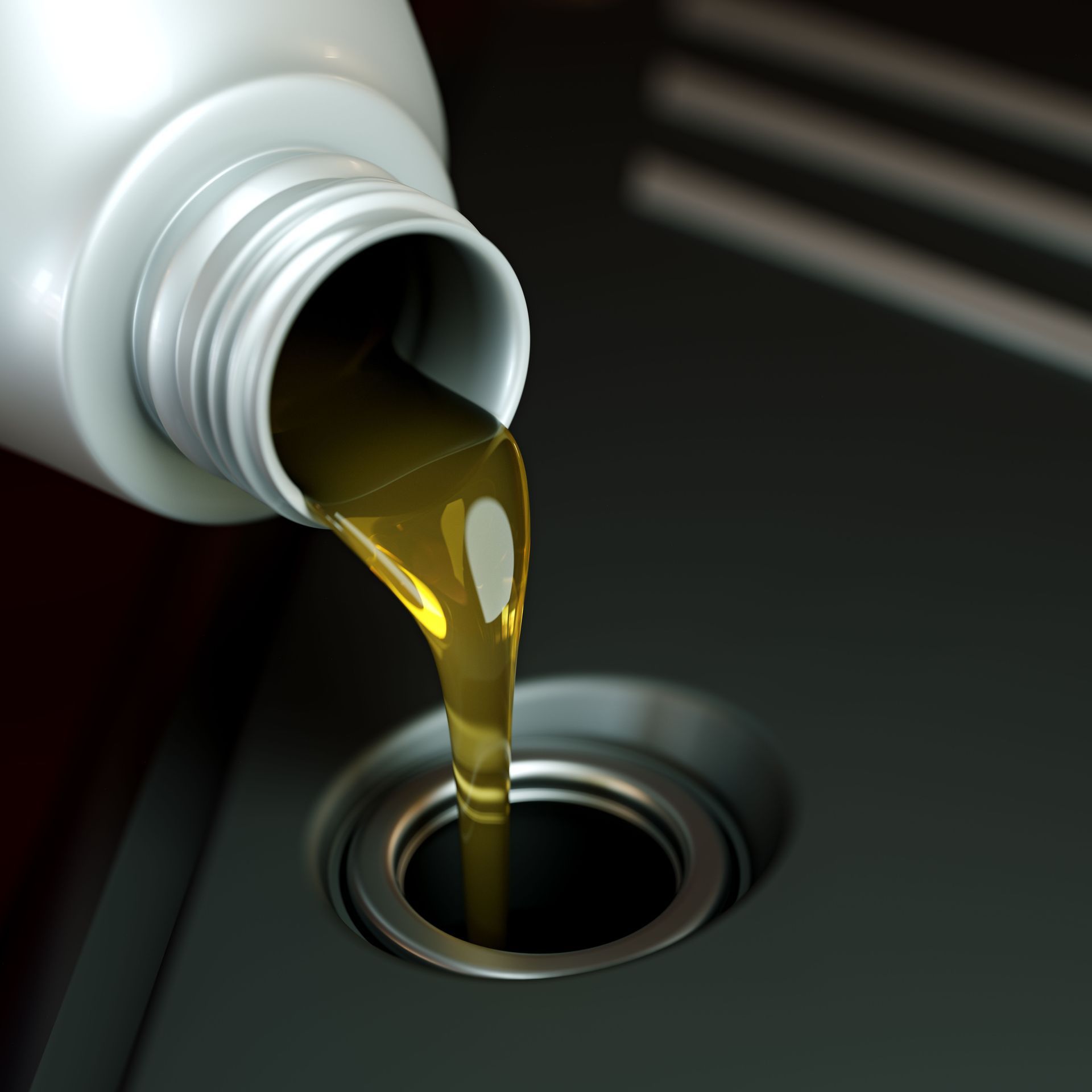
Fresh motor oil typically appears amber or honey-colored with a relatively transparent consistency. As it ages, it darkens significantly while collecting dirt, debris, and combustion byproducts. If the oil on the dipstick looks extremely dark, gritty, or sludgy, the engine may no longer be receiving adequate lubrication.
Low oil levels also deserve immediate attention. Drivers should periodically inspect the dipstick to confirm the engine maintains an appropriate amount of fluid. If levels consistently drop below recommended ranges, the vehicle could be burning or leaking oil internally. Addressing these concerns early can prevent severe mechanical complications.
Oil leaks themselves are another major warning sign. Spots or puddles beneath the vehicle often indicate deteriorating seals, damaged gaskets, or loose connections within the lubrication system. Even small leaks can gradually reduce protection levels and create larger engine problems if ignored for too long. Scheduling an oil change while investigating the source of the leak can help restore proper function.
Excess exhaust smoke may indicate trouble as well. While some vapor from the tailpipe can be normal during cold weather, thick or persistent smoke may suggest oil contamination or internal engine wear. Blue or gray exhaust often points to oil burning inside the combustion chamber, which requires prompt professional evaluation.
Drivers should also pay attention to the condition of the engine compartment itself. Excess grime buildup, oily residue, or strong odors around the engine may indicate neglected maintenance. A clean, properly maintained engine generally performs more efficiently and remains easier to inspect for developing issues.
Ignoring these visual indicators often leads to more expensive repairs over time. What begins as minor contamination or reduced lubrication can eventually affect pistons, bearings, valves, and other essential components. Consistent inspections help drivers catch problems before they escalate into major mechanical failures.
4. Habits
Daily driving habits can accelerate oil deterioration faster than many motorists realize. Even if mileage intervals appear acceptable, certain behaviors and environmental conditions place additional strain on the engine and its lubrication system, necessitating more frequent oil changes.
Frequent short trips are particularly hard on motor oil. Engines require time to reach optimal operating temperature, and repeated short drives may prevent moisture and contaminants from burning away properly. Over time, this buildup reduces lubrication quality and shortens service intervals.
Stop-and-go traffic creates similar challenges. Constant acceleration and braking increase engine stress while generating additional heat. Drivers who spend significant time commuting through congested urban areas may require maintenance more frequently than those primarily driving on open highways.
Towing heavy loads or carrying excess weight also increases engine demands. Whether hauling trailers, boats, or equipment, these activities force the engine to work harder under higher temperatures and pressure. Vehicles exposed to these conditions often benefit from a more proactive oil change schedule.
Extreme weather can contribute as well. Very hot temperatures may accelerate oil breakdown, while freezing conditions can thicken oil and reduce circulation during startup. Seasonal changes often affect vehicle performance more than drivers expect, making regular inspections especially important throughout the year.
Some motorists unintentionally delay maintenance because the vehicle still appears to run adequately. However, engine damage often develops gradually before becoming obvious. Waiting until performance deteriorates significantly may allow preventable wear to accumulate inside critical components.
Modern vehicles certainly contain advanced monitoring systems, but technology should never replace attentive ownership. Listening to unusual sounds, observing changes in performance, and following manufacturer recommendations remain essential habits for protecting long-term engine health. Preventive maintenance consistently costs less than major engine repairs caused by neglect.
A reliable vehicle depends on consistency. Drivers who prioritize routine inspections and timely service often experience fewer breakdowns, lower repair costs, and improved overall reliability for years to come.
Your car provides numerous warnings when lubrication problems begin affecting engine performance, efficiency, and reliability. Paying attention to unusual noises, reduced power, visible leaks, and changing driving conditions can help you determine when an
oil change is necessary before serious damage occurs. Staying proactive with maintenance protects your investment and helps ensure your vehicle remains dependable in every season.
At Oil Masters of Kilgore Inc, we take pride in helping drivers protect their engines with dependable automotive maintenance and professional service. We work hard to keep vehicles operating efficiently so our customers can drive confidently every day. Contact us today to schedule your next appointment and let our experienced team help extend the life of your vehicle.